
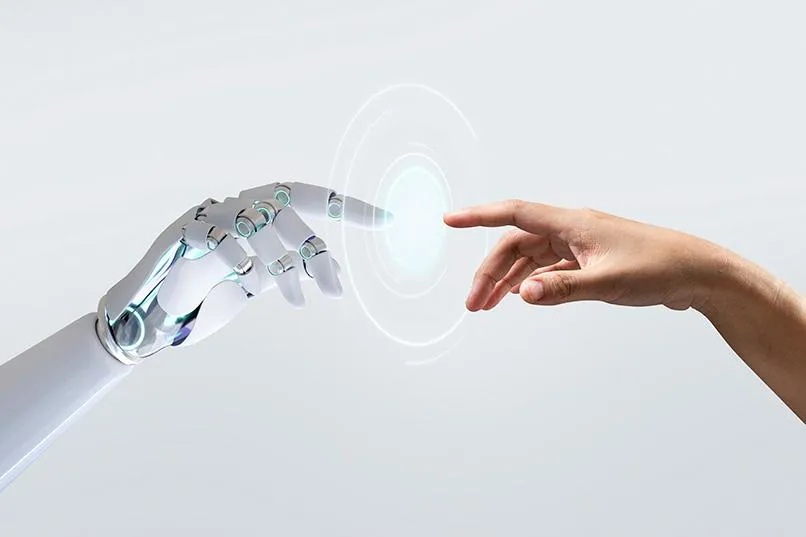
Personalization at Scale: Automating Customer Journeys Without Losing Authenticity
Customers today are relentlessly bombarded with noise — inboxes flooded with irrelevant offers, ads that repeat endlessly, and generic “Dear Customer” emails that feel more robotic than personal.
But modern audiences crave something deeper: authenticity at scale.
The brands winning in 2025 are those that merge automation with empathy — using AI-driven systems not to replace the human touch, but to enhance it. This is the essence of personalization at scale: building data-powered, automated customer journeys that still feel personal, intentional, and real.
In this article, we’ll unpack how to automate customer experiences without losing authenticity, exploring how AI, data strategy, and creative empathy can coexist to produce powerful, high-converting journeys.
Balancing Automation with the Human Touch
Why Automation Alone Falls Short
Automation can deliver speed, precision, and consistency — but not connection. When overused or poorly implemented, it leads to robotic interactions that alienate your audience.
To personalize effectively, you need a blend of machine precision and human insight.
For example, a B2B SaaS company may use automation to segment its contacts. But when they personalize messaging for different stakeholders — engineers, managers, and executives — they’re not just relying on algorithms; they’re using strategic empathy to align each message with the recipient’s mindset.
Real-World Example
An automation system sends two versions of a campaign:
The technical buyer receives an email outlining API documentation, integration speed, and uptime reliability.
The economic buyer receives a success story showing how the solution saved another company $120K annually.
Same funnel. Same automation. But each journey feels tailored, thoughtful, and human.
Practical Ways to Blend Tech and Empathy
Segment by persona and intent, not just demographics.
Use dynamic content blocks in your emails and landing pages that adapt to behavior.
Add human follow-up layers (voice notes, personal replies, or “founder-style” video messages) triggered at key journey milestones.
Encourage conversation over conversion — automate two-way communication, not just broadcasts.
Automation doesn’t remove the human touch — it amplifies it when guided by empathy.
Building a Strong Data Foundation
Personalization without data is guesswork. To deliver relevance at scale, you need clean, centralized, and actionable data.
Why Data Quality Drives Authenticity
When your data is scattered across tools — CRM, sales, support, email — your personalization breaks down. A strong data foundation enables real-time context awareness, allowing every customer touchpoint to reflect their actual journey stage and preferences.
Data-Driven Personalization Essentials
Unify your data: Integrate CRM, marketing automation, and sales systems into a single source of truth.
Apply data hygiene practices: Regularly remove duplicates, validate emails, and refresh stale data.
Use data enrichment tools: Append firmographics, engagement scores, or behavioral signals.
Ensure privacy compliance: Authenticity also means respecting user data through transparent policies and encryption.
Challenge and Solution
The challenge: Too many data silos slow down personalization.
The solution: Implement an omnichannel data hub — a unified ecosystem where behavioral, transactional, and engagement data flow seamlessly across tools.
When data tells a coherent story, your automation can speak with clarity and relevance.
Leveraging AI and Machine Learning for Smart Personalization
AI as a Personalization Multiplier
AI and machine learning don’t replace marketers — they multiply their impact.
By processing vast amounts of behavioral data, AI can predict what your customers need next, trigger contextual automations, and adapt content dynamically — all while freeing up your team to focus on strategy and creativity.
Practical AI Applications in Journey Automation
Predictive Analytics: Forecast customer churn or upsell potential based on activity patterns.
Behavioral Targeting: Send next-step offers based on pages visited or time spent in-app.
Dynamic Personalization: Automatically adjust website headlines or CTAs depending on returning visitor data.
AI Chatbots with Contextual Memory: Combine instant support with human-like tone and escalation logic.
Adaptive Email Sequencing: Use AI to determine the optimal send time and message style for each segment.
Case Study Example
A retail brand implemented AI-powered recommendations across email, web, and SMS. Customers received curated product suggestions based on browsing history, reducing email fatigue and increasing repeat purchase rates by 22%.
The key? Automation felt human because it anticipated customer needs rather than overwhelming them.
Designing Omnichannel Journeys That Feel Seamless
True personalization doesn’t live in one channel — it thrives across all of them.
From social ads to post-purchase emails, customers should feel recognized wherever they interact with your brand.
How to Build Omnichannel Authenticity
Map journey triggers across channels: Align email, SMS, and retargeting campaigns around shared behavioral signals.
Maintain tone consistency: Whether the message is automated or human, your brand voice should remain warm and familiar.
Synchronize timing: Don’t let multiple automations overlap — coordinate timing to avoid message fatigue.
Incorporate offline touchpoints: Send personalized direct mail or thank-you gifts triggered by CRM milestones.
An omnichannel automation strategy ensures your brand doesn’t just talk at people — it converses with them, wherever they are.
Keeping Authenticity Alive in Automated Systems
Authenticity is perception — and perception is built on emotional resonance. Even in automated flows, you can build genuine trust by keeping three principles at the forefront:
A. Transparency
Tell customers how and why you’re personalizing their experience. People appreciate relevance when it’s done ethically.
B. Consistency
Maintain voice, tone, and intent across all automated channels. An authentic message in email should sound the same on chat or social.
C. Human Reinforcement
Use automation to set up human engagement — like handing off leads to a real rep after a personalized drip sequence.
The authenticity multiplier lies in handoffs, not just triggers.
From Data to Dialogue: Turning Personalization Into Connection
Feedback Loops That Strengthen Trust
Automation isn’t a one-way conversation. Create continuous loops where customers can respond, react, and shape their experiences.
Examples:
Micro-surveys at the end of nurture sequences
Conditional SMS replies (“Reply A for a quote, B for a free guide”)
Post-purchase review automation that thanks users by name and adjusts follow-ups based on sentiment
Every feedback point adds emotional depth — transforming automation into a living, adaptive dialogue.
Why It Matters
Customers know when they’re being “marketed to.” But when systems listen, adjust, and empathize, automation feels less like a funnel and more like a friendship.
Measuring Success: Beyond Open Rates
Traditional metrics like open rate or CTR only skim the surface. To measure personalization impact, track metrics that reflect relationship depth and retention health:
Customer Lifetime Value (CLV): Measure how personalization impacts long-term loyalty.
Engagement Quality: Track two-way interactions (replies, reviews, shares).
Churn Reduction: Analyze if automated journeys reduce customer drop-offs.
Revenue per Segment: Identify which personalized flows yield the highest profitability.
These KPIs reveal how personalization transforms not just campaigns — but your entire customer experience ecosystem.
Conclusion: Personalization That Scales Without Sacrificing Soul
The future of marketing isn’t about more automation — it’s about better automation.
By combining data-driven systems with authentic, human-centered storytelling, brands can personalize at scale without losing empathy.
The brands that thrive tomorrow will be those that can say:
“We automate to understand, not to replace.”
That’s the MonetizerEngine mindset — building systems that connect, convert, and care.
Personalization Blueprint: Mapping Authentic Customer Journeys
Download MonetizerEngine’s free Personalization Blueprint — your step-by-step guide to automating customer journeys with empathy.
Learn how to use AI and data-driven personalization to deliver authentic, scalable experiences that resonate across every channel.
Download the Personalization Blueprint
Build Automated Systems That Feel Human
MonetizerEngine helps businesses design automated funnels that connect like humans and convert like machines.
We merge AI, psychology, and automation into systems that scale with personality — so every message feels personal, not programmed.
Schedule Your Strategy Call
FAQs
1. What does “personalization at scale” mean?
It means using AI and automation to deliver individualized experiences to thousands of customers without manual effort.
2. How do I make automated messages feel authentic?
Keep your tone conversational, use dynamic data responsibly, and integrate human touchpoints like follow-up calls or video messages.
3. What tools help automate personalization effectively?
CRM integrations, AI recommendation engines, and omnichannel marketing platforms that unify customer data are key.
4. How can I measure personalization success?
Track customer lifetime value (CLV), engagement rates, and churn reduction — not just open or click rates.
5. Does AI remove the need for human marketers?
Not at all. AI enhances marketing efficiency, but creativity and empathy still drive authenticity and connection.